About The Critical Thinking Lab
The Critical Thinking Lab exists because something has gone quietly missing from how today's tweens and teens are taught to think.
Young people today are intelligent and curious. They are also growing up inside an increasingly capable web of algorithms, generative AI, and search tools that does much of the thinking on their behalf. AI finishes their sentences. Search results deliver answers before they've finished forming the question. Over time, a generation rarely asked to reason on its own loses the habit of doing so.
We're here to change that.

Our Mission
To build 360° thinkers: young people ages 10 to 18 who reason, question, and decide for themselves, even when a screen will gladly do it for them.

What We Offer
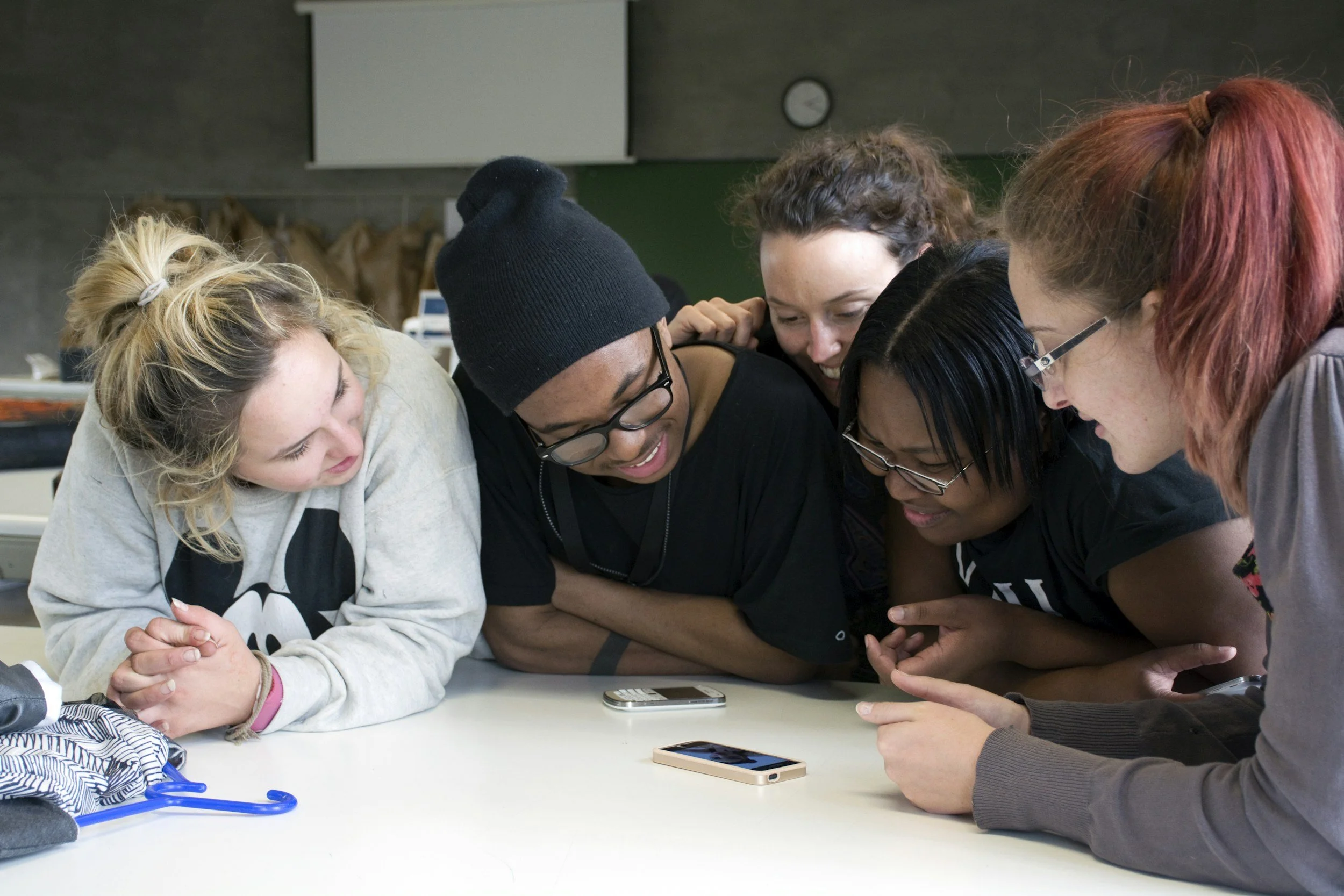
The Lab is a growing ecosystem of resources designed to slot into the real lives of busy parents, teachers, and homeschooling families.
Cogpoppy. Our free critical thinking app for teens ages 13 and up (with ages 10 to 12 on the way). Students crack detective-style cases drawn from the kinds of situations kids and teens face every day, practicing 12 essential reasoning skills as they solve them.
The Toolkit. Instant-download simulations and conversation cards for ages 10 to 18, designed for small-group critical thinking in classrooms and living rooms.
The Learning Lab & Blog. The Learning Lab. Free, short, interactive modules that show tweens and teens how the digital systems around them actually work, from the algorithm designed to keep them scrolling to AI that hallucinates with confidence. No signup. No cost.
Everything is built to work straight out of the (metaphorical) box, with the depth a thoughtful educator expects and the warmth a parent can feel.

Why It Matters Now
In an AI-saturated world, the most valuable thing we can hand the next generation is the disposition to pause, weigh, and reason. The capacity to choose their own thinking over the thinking handed to them.
That's the work of The Critical Thinking Lab.
We're glad you're here.
What We Believe
Critical thinking is a habit of mind. Habits are built through practice, friction, and reflection. Every experience we design rests on three commitments:
Practice with real problems. Simulations and scenarios anchor the work, because authentic problems engage adolescent learners in ways drills and drive-by exercises cannot.
Rigorous and playful at once. Our materials are grounded in the science of adolescent cognition and development. They are also adaptive, engaging, and genuinely fun.
Depth, made accessible. Whether a child learns at a kitchen table, a homeschool co-op, or a public school classroom, the path to better thinking should be reachable for every adult guiding a young learner.

Who's Behind the Lab
The Critical Thinking Lab was founded by Dr. Julie Martin. Her path runs from working artist and photographer through a BSc and MSc in Psychology focused on adolescent development, to a Doctorate in Instructional Design and Technology. Her own children pulled her into alternative education nearly twenty years ago, and the questions that began at her kitchen table (how do young people actually learn to think?) became the work you'll find here.