

What If This Summer Changed the Way Your Kid Thinks?
Here's what I want to offer you instead of a checklist: a different way of thinking about what summer actually is. Because summer isn't an interruption of learning. For the brain, it might be the most important stretch of the whole year, if you know what you're actually trying to build.

What a Disappearing Homework Assignment Has to Do With Your Teen's Social Media Feed
Most critical thinking skills fall apart the moment something social is at stake. Here's why a missing homework case study might be the best way to teach your teenager to pause before the group chat reaches its verdict.
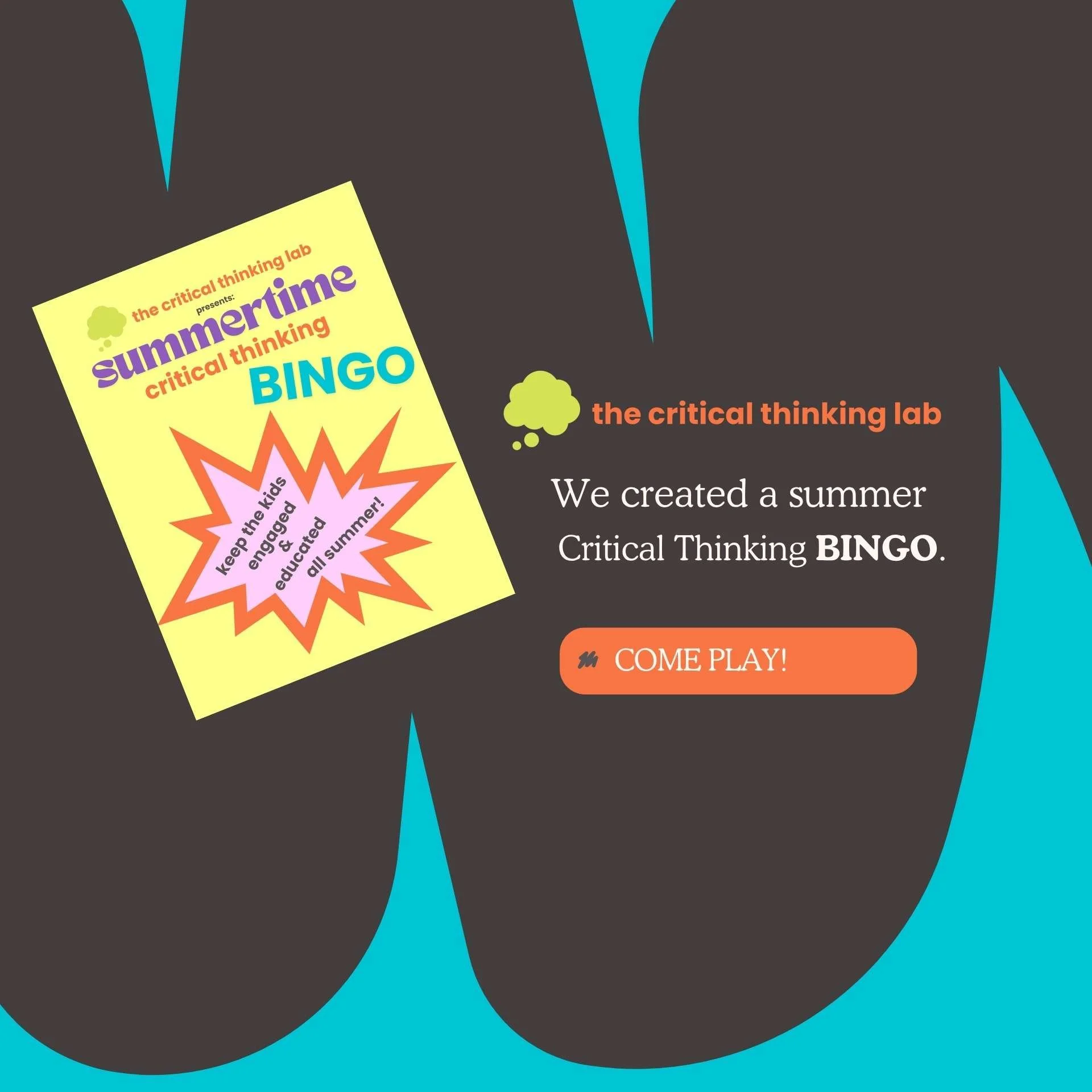
Critical Thinking BINGO: Free Summer Game for Teens
Keep kids thinking all summer long with our free Critical Thinking Bingo game — designed for tweens and teens ages 10–18. Sign up for our newsletter and play instantly.

Your Kid's School Isn't Going to Teach Critical Thinking.
Schools are in survival mode and critical thinking isn't on the test. Here's an honest look at what that means for your teen, and five practical moves parents can make starting this week.
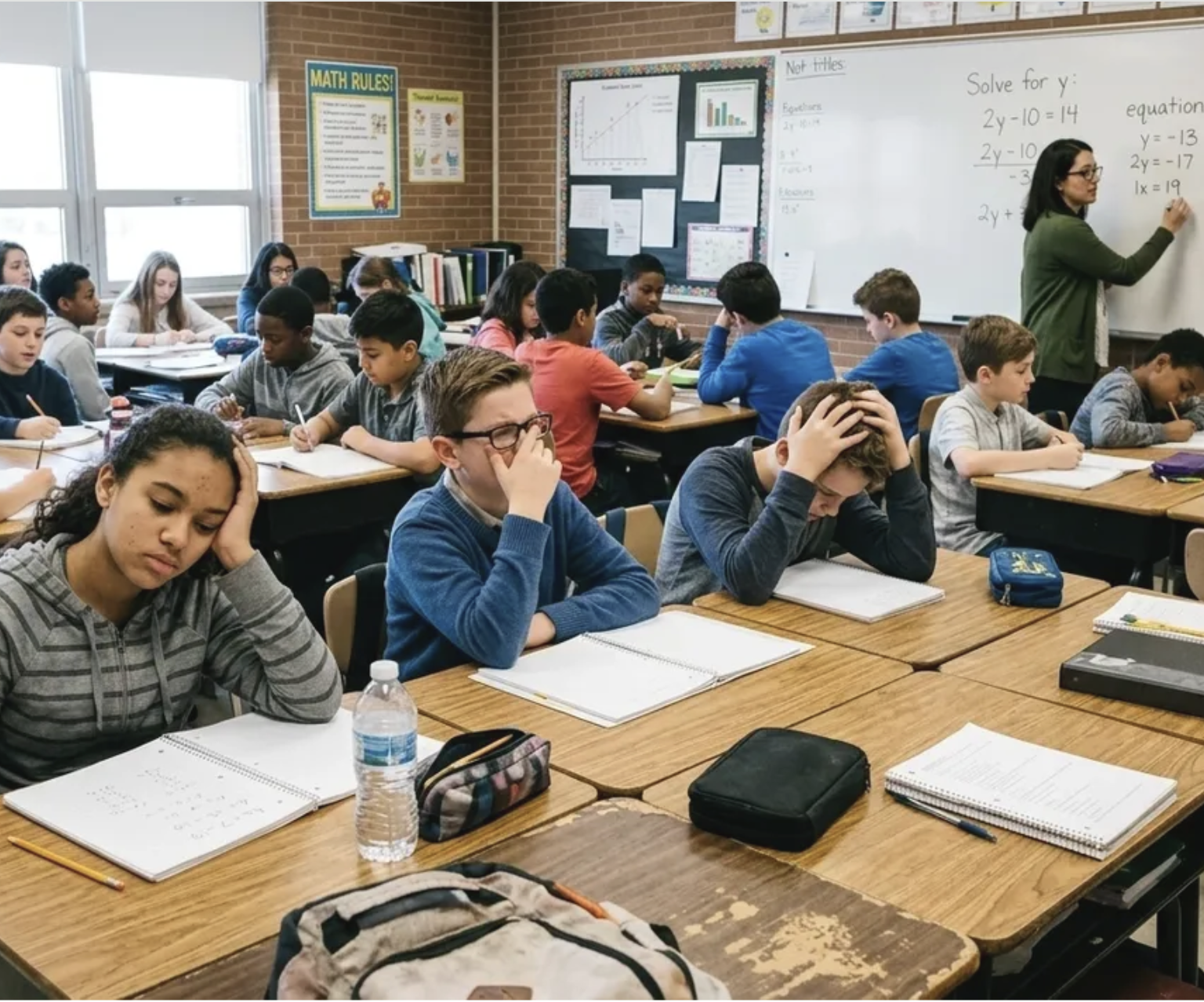
What’s Really Going On In Classrooms Right Now
40% of fourth graders reading below basic level. One-third of eighth graders. The data is stark, but the solution isn't just more drilling. Here's what the research actually says about closing the gap.
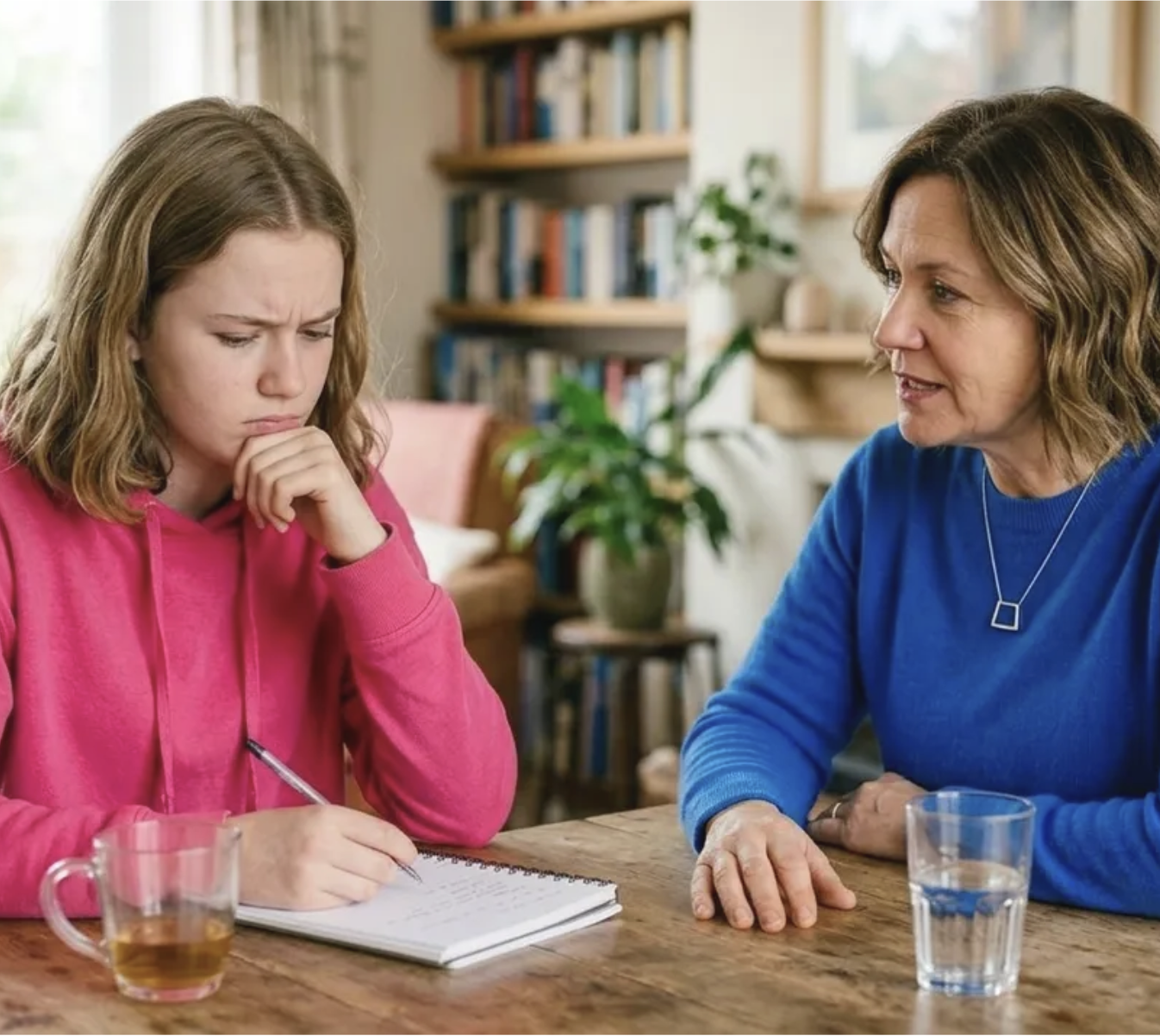
The Tidy Bow Problem: Learning Lives in Cognitive Tension
The traditional classroom trains students to find the right answer. But real-world problems don't have one. Here's what the research on productive failure actually tells us about how deep learning works.

Should You Answer Your Child’s Questions?
When your child asks a question, are you helping or creating dependence? The answer depends on the type of question; and the science behind curiosity, effort, and independent thinking is clear.

The Mess Is the Method
At some point, someone decided that good education meant making things cleaner. Strip out the ambiguity. Remove the competing variables. The result has been a generation of teens who can ace a worksheet and freeze in front of an actual decision.

You’re Not the Answer Key
There's a moment every parent and teacher knows. A teenager looks you in the eye and asks: "What's the right answer?" And everything in you wants to tell them. That impulse is rooted in love and care for the young person in front of you. But when we answer that question, we're not building critical thinking. We're teaching teens to wait for someone else to think for them.

We’ve Been Killing Curiosity and Calling It Education
There's a question most parents and teachers never think to ask: "When did your teenager stop asking 'why'?" Not the surface-level "why do I have to do this homework?" variety. The real kind. The kind that keeps a kid up at night. The kind that makes them pull apart an idea just to see what's inside it.

Beyond Drive-By Scenarios In Critical Thinking
I've been working with tweens and teens for a long time. And in that time, I've seen a lot of what gets labeled "critical thinking education." Some of it is genuinely good. A lot of it is what I've come to call drive-by scenarios — activities that have the shape of a decision but none of the weight.